Understanding the Importance of Your depo 10k Cleaning Workflow
In the fast-paced world of cleaning services, having an efficient workflow is not just an advantage; it’s a necessity. The concept of a "depo 10k" encompasses various aspects of cleaning operations, from task automation to inventory management. As we advance towards 2026, the integration of technology and effective work practices will play a pivotal role in ensuring not only efficiency but also high service quality. When exploring options, depo 10k offers comprehensive insights into optimizing these processes for your business.
What is depo 10k and Its Role in Cleaning Services?
The depo 10k refers to a system or strategy applied in cleaning services that aims to streamline operations, improve workflow efficiency, and enhance communication among team members. This includes the planning, execution, and monitoring of cleaning tasks, often leveraging technology to automate routine operations. Understanding the vital role of depo 10k allows cleaning service providers to maintain high standards while optimizing resource use.
Identifying the Key Components of Your Cleaning Workflow
- Task Management: Organizing and scheduling cleaning tasks across all locations.
- Inventory Control: Tracking cleaning supplies and equipment usage to prevent wastage and ensure availability.
- Staff Coordination: Efficient communication among team members to facilitate task delegation and updates.
- Quality Assurance: Regular checks and feedback systems to monitor cleaning standards.
Benefits of Streamlining Your Cleaning Process
Streamlining your cleaning process through a well-structured depo 10k workflow offers numerous benefits:
- Increased Efficiency: Reduces the time taken for operations and accelerates service delivery.
- Cost Reduction: Lower operational costs through optimal use of resources.
- Enhanced Customer Satisfaction: Faster and more reliable service leads to happier clients.
- Scalability: Easier to manage growth and expand services without a significant increase in overheads.
Choosing the Right Tools for Your depo 10k Workflow
Essential Cleaning Equipment to Optimize Efficiency
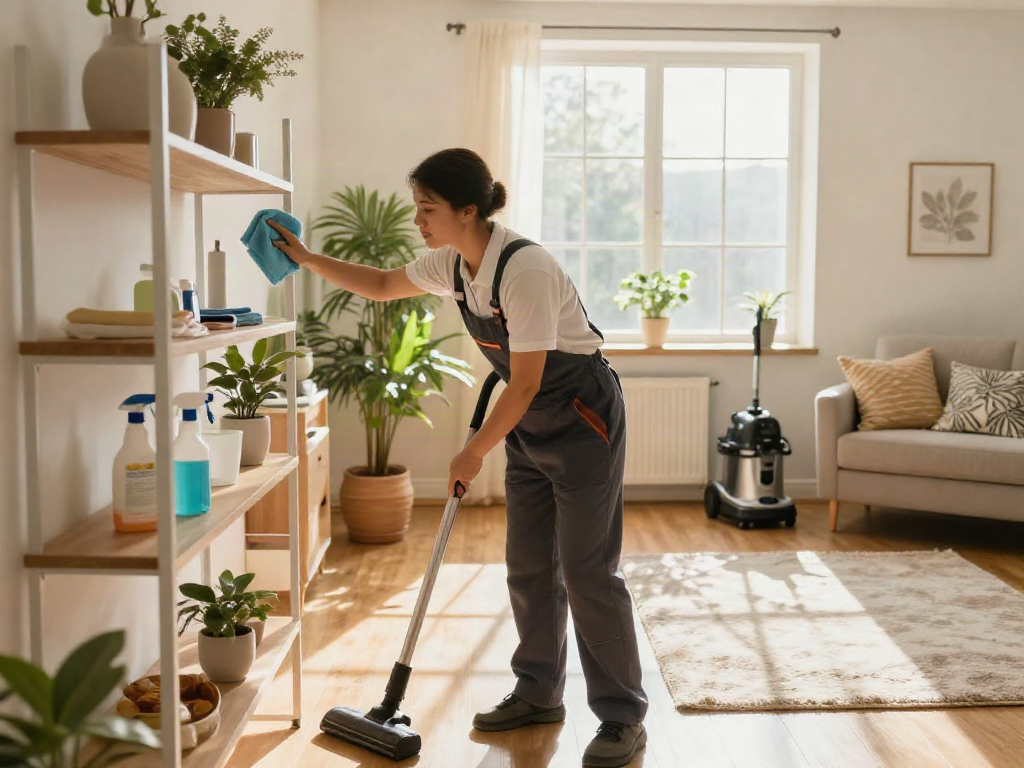
The backbone of an efficient cleaning workflow lies in the tools and equipment used. Investing in high-quality cleaning equipment can significantly boost productivity. Consider tools that offer multipurpose functionality and automation features to reduce manual effort. For instance, advanced vacuum cleaners with filtration systems not only clean efficiently but also improve air quality in the environments you service.
Software Solutions for Managing Cleaning Tasks
In today’s digital age, incorporating software solutions can transform your cleaning business. Look for management software that includes features such as:
- Scheduling and dispatching of cleaning tasks
- Real-time tracking of staff and job progress
- Inventory management tools
- Client management and invoicing capabilities
Integrating Technology into Your Cleaning Routine
Technology integration in cleaning routines is more than just having the latest gadgets. It involves creating a cohesive system that allows for easy management and execution of tasks. For example, using mobile applications that allow staff to report issues on-site can help in immediate resolution, thus enhancing overall service quality.
Best Practices for Implementing Your depo 10k Strategy
Step-by-Step Guide to Automating Cleaning Schedules
Automation of cleaning schedules is crucial for maximizing efficiency. Follow these steps to implement automation effectively:
- Assess Current Processes: Identify areas where automation can reduce time and improve accuracy.
- Select the Right Software: Choose automation tools that fit your specific needs.
- Train Your Staff: Ensure everyone understands how to use the new tools effectively.
- Monitor and Adjust: Continually assess the impact of automation and make necessary adjustments.
Case Studies of Successful Cleaning Automation
Several companies have successfully implemented depo 10k workflows and experienced substantial benefits. For instance, a mid-sized cleaning service reported a 30% increase in operational efficiency after adopting automated scheduling and inventory management tools. This not only reduced manual errors but also allowed for better allocation of human resources.
Common Pitfalls to Avoid While Automating Your Workflow
While automating your cleaning workflow, it’s important to avoid common mistakes:
- Neglecting Staff Training: Failure to train staff can lead to resistance and lower productivity.
- Overcomplicating Systems: Keep solutions simple and user-friendly to ensure adoption.
- Ignoring Feedback: Regularly gather input from your team on the tools and processes to enhance efficiency.
Measuring Success in Your depo 10k Cleaning Automation
Key Performance Indicators for Cleaning Services
Measuring the success of your depo 10k strategy is essential for continuous improvement. Key Performance Indicators (KPIs) to consider include:
- Time taken for task completion
- Client satisfaction scores
- Employee productivity metrics
- Cost savings achieved through automation
Gathering Client Feedback and Improving Services
Regular client feedback is invaluable in understanding your service quality. Use surveys and direct conversations to gather insights on customer experiences. Analyze this data to identify areas for improvement within your cleaning processes.
Adjusting Your Strategy Based on Market Trends
The cleaning industry is constantly evolving. Keeping an eye on market trends can inform necessary adjustments to your workflow. For example, an increased focus on sustainability may require adjustments in cleaning products and methods.
Future Trends in Cleaning Automation for 2026
Emerging Technologies Transforming the Cleaning Industry
As we head into 2026, several emerging technologies are set to redefine cleaning services:
- Robotic Cleaning Systems: Automation will increasingly include robotics that can handle routine tasks.
- AI-Driven Insights: Artificial intelligence will provide valuable data analytics for optimizing workflows.
- Sustainable Cleaning Solutions: A shift towards environmentally friendly products will shape the market.
Predictions for Cleaning Service Innovations by 2026
Expect innovations like smart cleaning devices that can communicate with management software to optimize resource allocation. Furthermore, augmented reality may play a role in training, offering interactive learning experiences for new employees.
Preparing Your Business for Future Changes in Cleaning Protocols
To stay competitive, it’s essential to prepare for the evolution of cleaning protocols. This means investing in ongoing training, adapting to new technologies, and remaining flexible to changes in consumer preferences.
What are the benefits of automating a cleaning workflow?
Automating a cleaning workflow leads to increased efficiency, better resource management, and enhanced service quality, making it a vital strategy for modern cleaning businesses.
How can I choose the best tools for my cleaning business?
Evaluate your specific needs, assess the features of various tools, and consider user-friendliness and support options when selecting cleaning management solutions.
What are common challenges in cleaning automation?
Common challenges include resistance to change by staff, overcomplicated systems, and the initial costs of implementing new technologies.
How can I measure the success of my cleaning workflow?
Success can be measured through KPIs such as task completion time, client satisfaction ratings, and productivity metrics.
What future trends should I be aware of in the cleaning industry?
Stay informed on emerging technologies like robotics, AI, and sustainability practices that will shape the future of cleaning services.